

By Phil Livingstone, Ex Head of Marketing and Communications, Affinity Water, UK
Whatever your marketing budget is, there’s a reasonable chance a significant chunk of it is being measured by data you privately know isn’t reliable. Not because the strategy is wrong. Because the data behind it is broken. It has been for longer than most people are comfortable admitting. Nobody wants to say that out loud (especially not in front of the CFO).
Third-party cookies are functionally dead across most browsers. Apple’s App Tracking Transparency wiped out 60-70% of mobile signal overnight for many brands. Meta, Google and Amazon responded by building measurement systems that conveniently attribute most value to themselves. Draw your own conclusions on this one.
The CFO is asking harder questions than ever. The CMO can’t answer them with confidence. That gap is politically dangerous and commercially expensive.
Most brands have the intention to fix this but not the infrastructure. Consent mechanisms bolted on as an afterthought. CRM systems not integrated with media buying. AI-driven bidding algorithms consuming budgets at speed in black boxes that even their operators don’t fully understand.
Then look at what Tesco did.
While most brands were still debating first-party data strategy, Tesco was building one. Quietly, methodically and over three decades. The Dunnhumby acquisition helped enormously of course.
Clubcard now reaches 23m UK households. In a country with just over 28m households, that’s not a loyalty scheme. That’s a national data infrastructure. Arguably the most valuable consented data asset in British retail. Amazon would dispute that. They can have that argument.
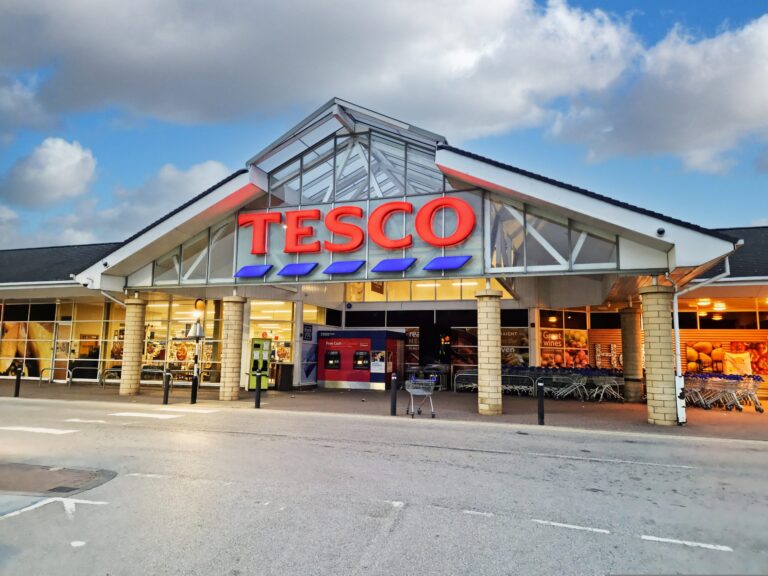
The numbers tell the story. In H1 2024/25, Tesco posted adjusted operating profit growth of 15.8% and 4% sales growth. In the same period, their Media and Insight Platform built entirely on Clubcard’s first-party data was delivering an average ROAS of £6.60 for multichannel campaigns, compared to £3.80 on other channels. Over 450 brands have now partnered with the platform. Nearly double the return. On data they own outright.
They didn’t rent their audience from Google. They built one. Now, they’re selling access to it.
That’s not just a marketing advantage. That’s a new revenue stream built entirely on customer trust and first-party data infrastructure. The thing most brands are still treating as a marketing operations task rather than a board-level strategic asset.
Most brands aren’t Tesco. But the principles behind what they built aren’t exclusive to a £31bn retailer.
Three things the brands winning this are doing differently:
- Treating first-party data as a strategic asset with C-suite ownership. Not a GDPR compliance exercise.
- Building measurement models that don’t rely on what the platforms tell you so the CMO and the CFO get a view of marketing performance they can actually trust.
- Diversifying into environments where they own the relationship. Owned channels, retail media, direct publisher partnerships.
The brands most exposed over the next 24 months aren’t the ones with the smallest budgets. They’re the ones still running performance strategies designed for a cookie-based world, hoping the measurement problem resolves itself.
It won’t. The brands that figured that out thirty years ago are now monetising the gap you haven’t closed yet.
Ask yourselves this – When did your board last discuss first-party data as a growth strategy rather than a compliance one?

Phil Livingstone
Ex Head of Marketing and Communications – Affinity Water
