Loyalty programs once served as a marketing lever — earn points, redeem later — and are now evolving into a fully embedded, hyper personalized customer experience. Today’s most successful loyalty programs are built around redemption in the moment, not points earned for future payoff. Trillions of loyalty points sit unused every year, not because customers don’t value rewards, but because redemption still feels disconnected from real life. For years, loyalty programs have asked consumers to wait, and they are no longer willing to.
For retailers and loyalty technology providers, the opportunity is clear: consumer expectations have changed, and loyalty must change with them. Inflation, rising everyday costs, and widespread adoption of digital payments have made immediacy non-negotiable. Consumers no longer tolerate value that arrives later; they expect rewards to function like money — accessible at the exact moment a purchase decision is made. Loyalty programs built around delayed gratification are increasingly out of step with a world defined by real-time financial control.
Consumers now expect rewards to deliver immediacy and flexibility. They want points that are easy to apply at checkout, not saved for a distant or uncertain future reward — a demand amplified by ongoing economic pressure as consumers actively seek ways to preserve cash. According to a recent report from Engage People and The Wise Marketer, 79% of U.S. consumers now use loyalty points at checkout, up from 37% just two years ago. Loyalty is moving from a “marketing perk” to a “value layer” in everyday spending.
While many loyalty platforms are built on accumulation, Engage People is focused on delivering a Pay with Points (PwP) solution that turns points into tangible purchasing power at the point of sale, giving ultimate choice to the consumer.
For brands and financial institutions, this evolution isn’t just about improving the customer experience; it’s about measurable business outcomes. Real-time redemption drives higher basket sizes, increases purchase frequency, and converts dormant points into active spend. Programs that enable immediate use of rewards see stronger engagement and deeper emotional loyalty, while those that rely on breakage risk becoming invisible to the very customers they aim to retain.
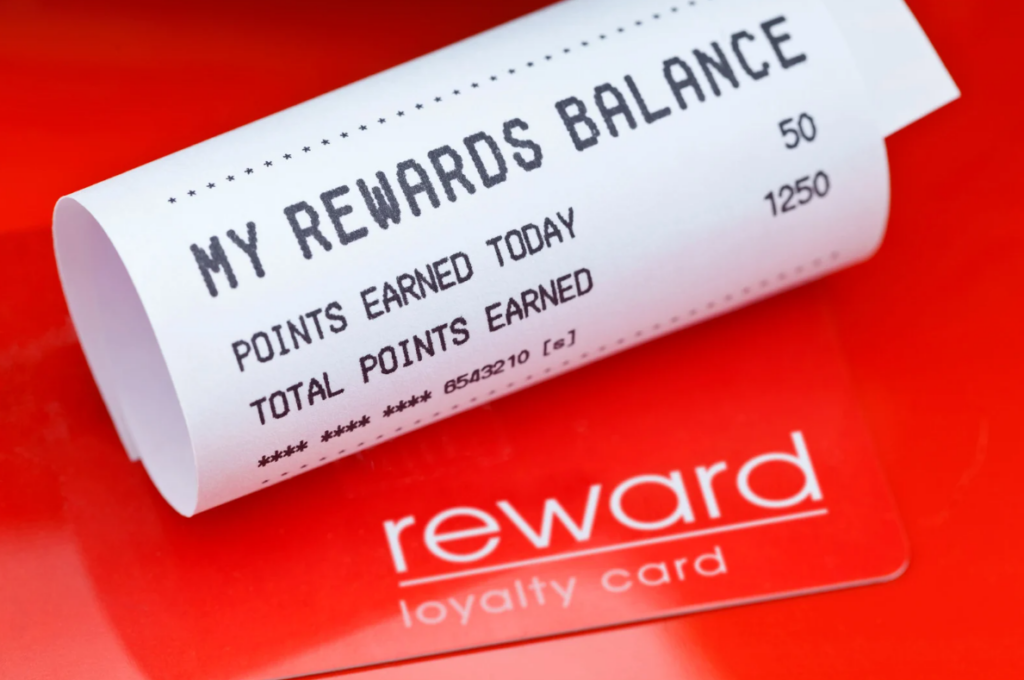
Consider the moment of checkout. In traditional loyalty models, accumulated points offer little value when it matters most. In a PwP environment, those rewards immediately reduce the total, turning hesitation into conversion and transforming points from a future promise into instant purchasing power.
By 2026, PwP is expected to move firmly away from just a “nice-to-have” capability, particularly for financial services, credit card issuers and large retailers with established loyalty programs. Consumers increasingly expect the ability to use points like currency at checkout, with clear dollar value. Retailers that fail to meet this expectation risk appearing outdated or disconnected from customer needs, which can directly impact revenue and long-term customer loyalty.
Implementing PwP is no longer just a technical hurdle, but a strategic choice. Through secure, scalable API integrations, financial institutions can now embed redemption capabilities directly into the merchant’s checkout flow without disrupting existing payment rails. This ‘Liquid Loyalty’ model not only clears liabilities from the balance sheet; it creates a virtuous cycle where every transaction reinforces the brand’s presence in the customer’s wallet.
Advances in technology are accelerating this shift. AI-driven loyalty will enable dynamic redemption options, personalized offers, and real-time point valuation based on context such as behavior, location, and timing. As loyalty becomes more intelligent and embedded, the programs that succeed will be those that make value usable, visible, and immediate.
The question for loyalty leaders is no longer how many points customers earn, but how easily they can use them. Programs that embed value directly into transactions will build trust, relevance, and long-term engagement. Those that don’t will increasingly feel disconnected from how consumers actually shop, pay, and manage their money. In the next era of loyalty, success will be defined not by accumulation, but by activation in the moments that matter most.