
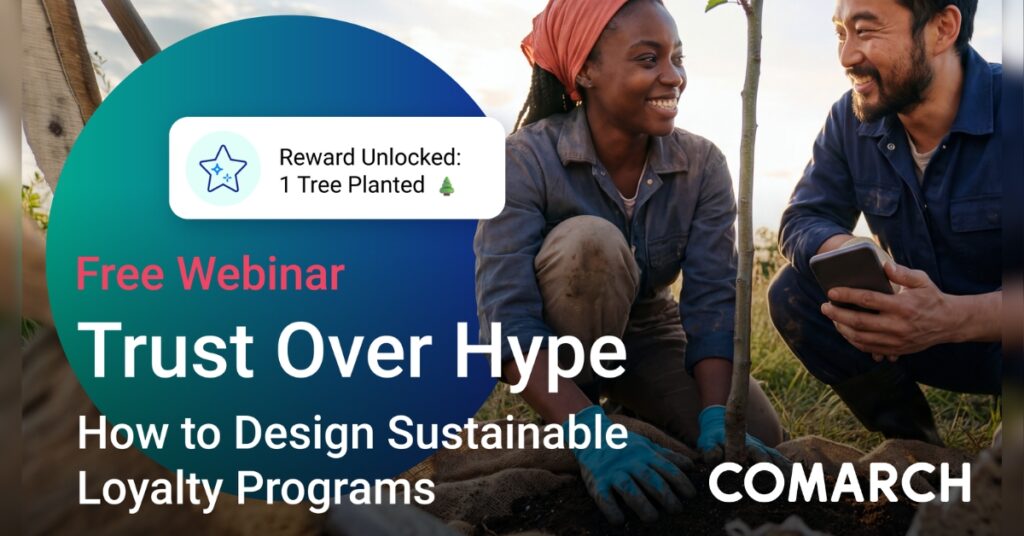
Exclusive webinar, Trust Over Hype: How to Design Sustainable Loyalty Programs,
April 22, 2026, at 1:00 PM CEST.
Register here to secure your spot and claim your e-book.
According to Bain & Company, 70% of consumers want to live sustainably, yet few actually do. This difference between consumer intent and action is one of the greatest hurdles in modern retail. Loyalty leaders need to stop the greenwashing hype and start subsidizing the green premium. In 2026, loyalty programs must evolve from simple consumption engines into powerful vehicles for the circular economy and genuine brand trust.
Why Consumer Sustainability Intent Fails to Become Action
The sustainability intent-action gap occurs when consumer environmental values fail to translate into purchasing habits due to the Green Premium, consumer cynicism toward greenwashing, and the friction of habit change. Successful loyalty programs use points to offset the price increase of eco-friendly goods, transforming sustainable choices from a high-effort luxury into a rewarded, seamless behavior.
The Psychology of Modern Eco-Consumerism
While most consumers aspire to be eco-friendly, actual habit change requires significant effort. Furthermore, Gen Z and Millennial cohorts increasingly view corporate “green” narratives with skepticism. Performative gestures will likely be judged as a breach of trust. For loyalty planners, understanding this friction is essential for building programs that retain members rather than alienating them.
What Are the Most Effective Eco-Mechanics for Sustainable Loyalty?
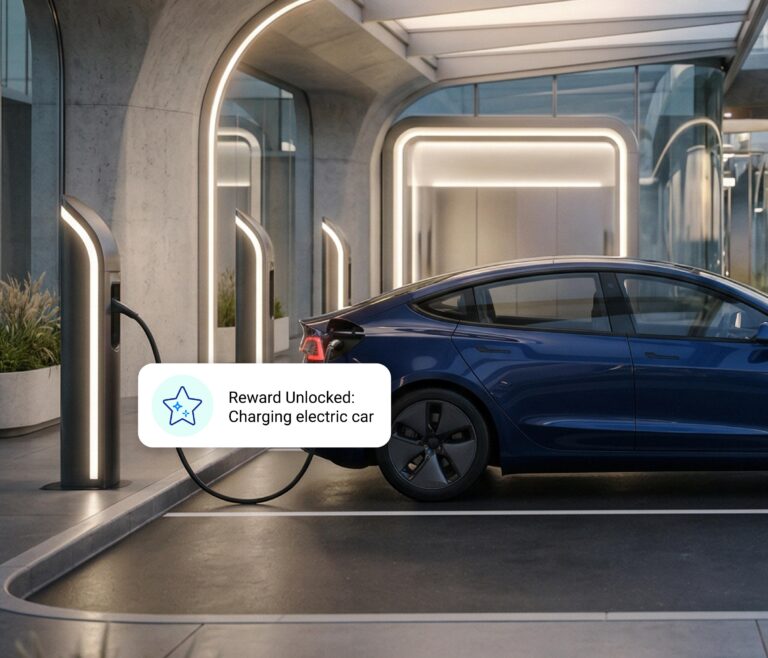
Effective eco-mechanics subsidize the Green Premium by rewarding low-impact consumer choices with Eco-Multipliers and Circular Rewards. By 2026, loyalty programs must transition from transactional consumption engines into behavioral change tools that incentivize the entire product lifecycle (repairs, recycling, and carbon-neutral shipping) to foster long-term emotional loyalty and brand trust.
Three Core Strategies for Green Loyalty Implementation
- Eco-Multipliers (Operational Efficiency): Offer accelerated rewards (e.g., 2x points) for actions that reduce a brand’s carbon footprint.
- Examples: Opting for digital-only receipts, selecting “slow” consolidated shipping, or choosing reusable packaging at checkout.
- Circular Rewards (Lifecycle Management): Incentivize the circular economy by awarding points for behaviors that extend product life or ensure responsible disposal.
- Examples: Points for verified product repairs, trade-in programs for refurbished goods, or using in-store recycling kiosks for used packaging.
- Impact-Based Tiers (Community Advocacy): Create loyalty tiers based on environmental impact rather than just spend.
- Examples: Unlocking “Green Ambassador” status once a member saves a specific amount of CO2, providing exclusive access to sustainable product pre-launches or carbon-offsetting projects.
Three Core Strategies for Green Loyalty Implementation
When a loyalty program rewards these specific micro-habits, it effectively lowers the Green Premium for the customer. It fosters deep emotional loyalty. By prioritizing these metrics, brands can turn passive shoppers into active environmental advocates, significantly increasing retention in an era of high consumer skepticism.
How Emotional Loyalty and Shared Values Replace Transactional Rewards
Emotional loyalty is increasingly driven by a “values-based” rewards model rather than traditional consumption. In 2026, loyalty programs must mirror consumer ethics (such as plastic waste reduction and renewable energy use) to retain Gen Z and Millennial cohorts. Research indicates that 41% of Millennials prioritize brands based on environmental stewardship, while 26% of Gen Z consumers actively opt out of non-essential services, such as excess packaging, to minimize their ecological footprint.
The Generative Shift in Brand Trust
A massive generational sea change has made ethical alignment a prerequisite for retention. Gen Z and Millennial consumers essentially vote with their wallets, prioritizing a brand’s ethical mirror over lucrative points-per-dollar ratios. To avoid churn, loyalty planners must redesign catalogs to offer less stuff and more impact, shifting the focus from consumption to connection.
How Emotional Loyalty and Shared Values Replace Transactional Rewards
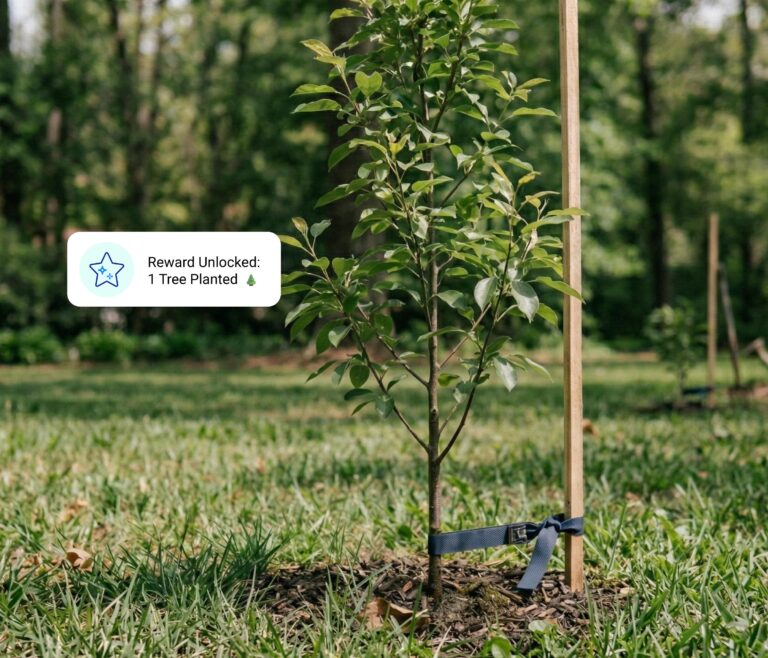
Radical honesty in loyalty is the practice of replacing vague marketing claims with granular, verified data to mitigate the 77% consumer abandonment rate associated with greenwashing. Authenticity serves as a primary currency.
Loyalty platforms must integrate real-time tracking of sustainability milestones, transforming individual member actions into measurable environmental impact. This data-driven transparency serves as the only antidote to “one-day-hype” marketing, establishing a foundation of radical corporate trust and long-term retention.
Is Sustainable Loyalty the Future of Business Resilience?
In 2026, sustainable loyalty serves as a critical driver of business resilience by aligning corporate profitability with environmental stewardship. Transitioning from transactional rewards to values-based engagement significantly improves retention rates and transforms passive consumers into brand advocates.
The Path to Profitable Sustainability
The evolution toward eco-conscious loyalty is a strategic necessity for safeguarding your bottom line. To help you design these high-impact programs, Comarch is hosting an exclusive webinar, Trust Over Hype: How to Design Sustainable Loyalty Programs, on April 22, 2026, at 1:00 PM CEST. The speakers will break down the specific eco-mechanics required to drive retention, and all attendees will receive a complimentary copy of our new e-book, Trust Over Hype.
Register here to secure your spot and claim your e-book.
